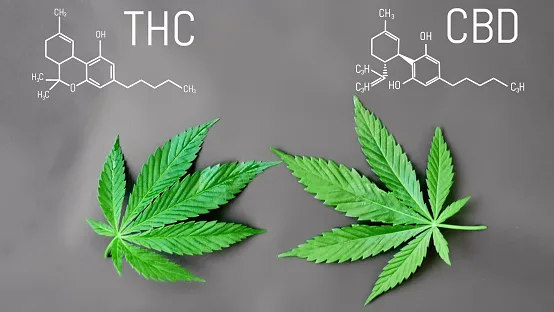
People often compare THC and CBD as if they were two interchangeable versions of the same product. They are not. THC is the cannabinoid most closely linked to intoxication, while CBD is usually chosen by shoppers who want a non-intoxicating route or who simply need a different fit for daily use.
means the first smart question is not which one is stronger. It is what kind of experience, legal risk, product format, and drug-testing exposure you are actually willing to manage. Once those pieces are clear, the label starts making a lot more sense.
CBD v THC: The difference between THC and CBD
In this video we are talking about thedifference between CBDvTHC, how to use both for wellness and medical conditions using ...
- Channel: Dr Dani Gordon MD
SECTION 01 Start with what THC actually means on a label
THC stands for tetrahydrocannabinol, and in most everyday buying conversations it usually means delta-9 THC unless the label says otherwise. That matters because many shoppers see THC as a generic buzzword without realizing the product may be built around a very specific cannabinoid profile.
A label that mentions THC is signaling a different kind of product decision from a standard CBD-only product. The main shift is not branding. It is the expectation of intoxication potential, legal nuance, and a different comfort level with dose.
- Read THC as a cannabinoid-specific label, not as vague cannabis language.
- Assume delta-9 is the default meaning unless another form is named clearly.
- Treat THC products as a different buying category from basic CBD-only products.
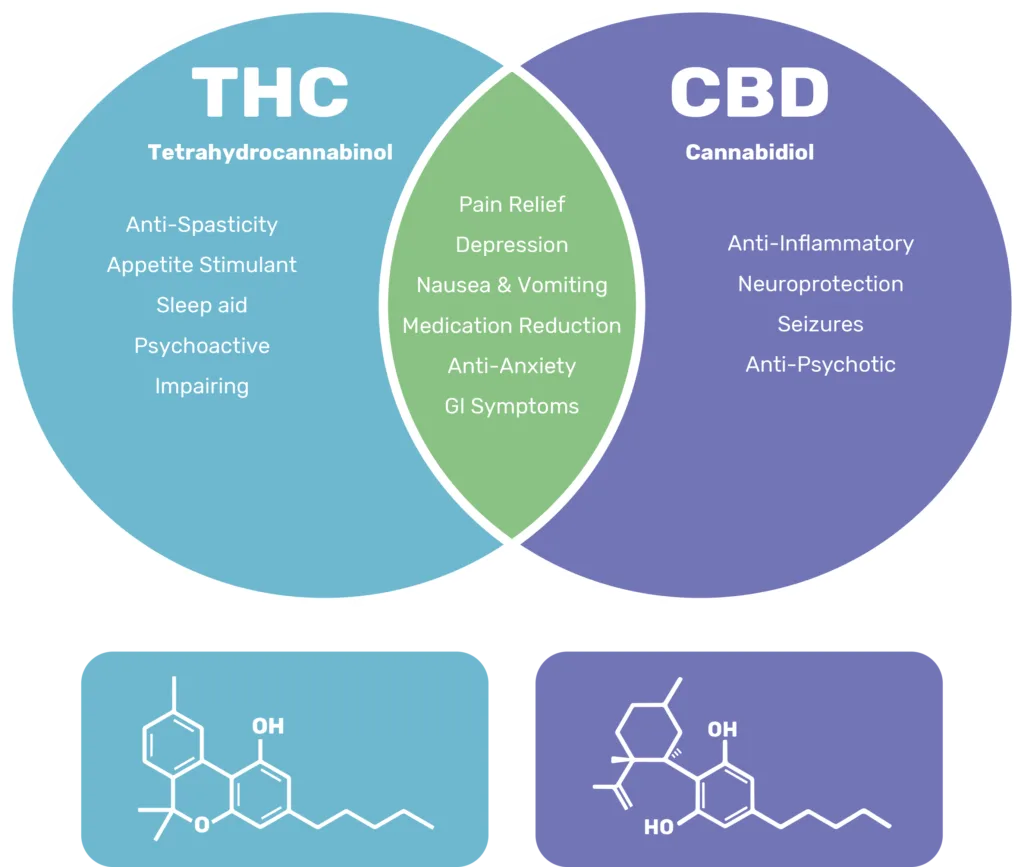
SECTION 02 Use THC versus CBD to compare effect before anything else
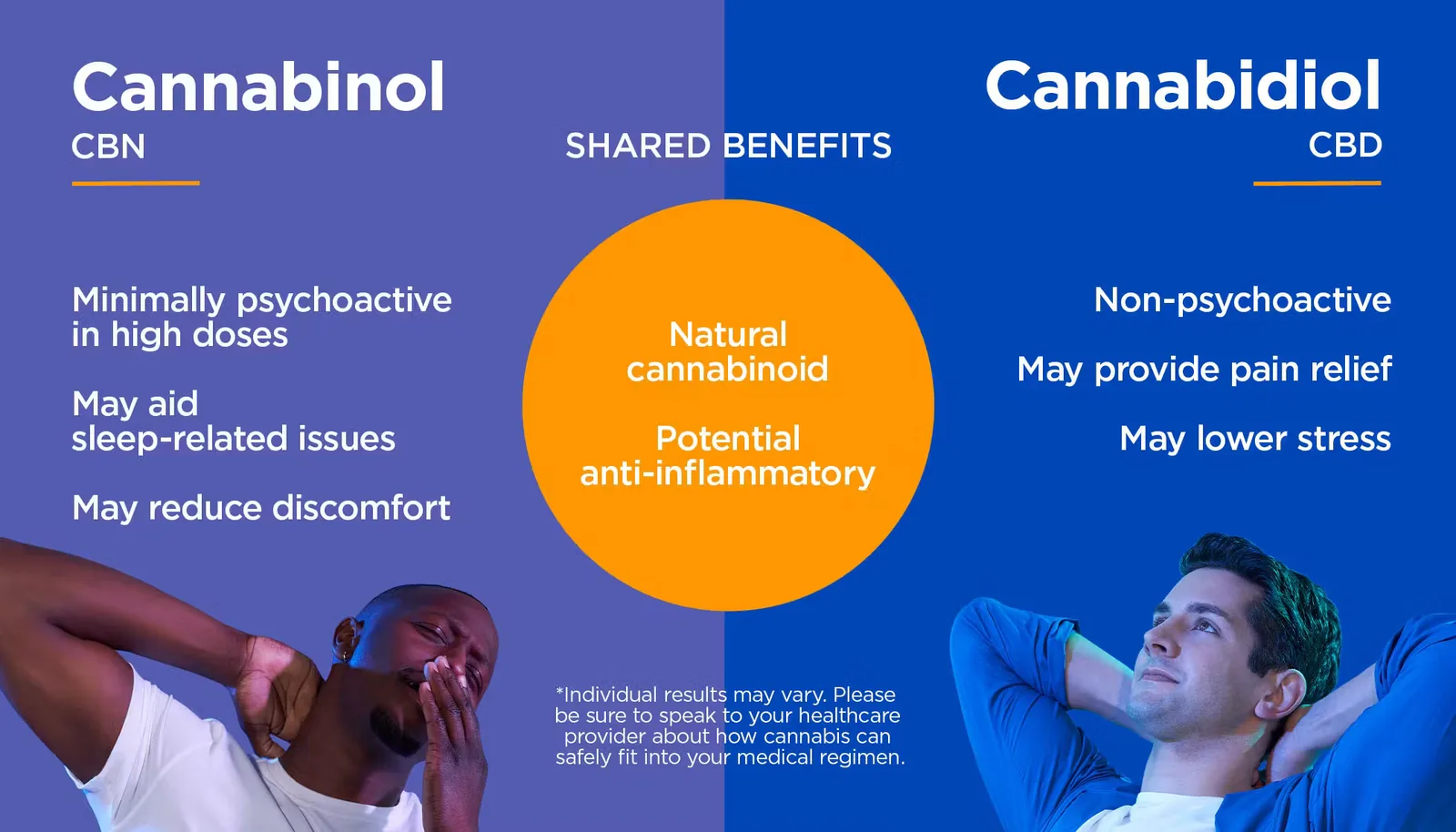
For most buyers, the practical split is simple. THC is the cannabinoid more closely tied to the high, while CBD is usually chosen when a person wants a non-intoxicating option or a product that feels easier to fit into a regular routine.
difference should shape the entire comparison. If someone wants to stay clear-headed, the THC line matters immediately. If someone is comparing mixed cannabinoid products, the question becomes how much THC is present and whether that amount changes the use case.
- Start with expected effect before you compare price or flavor.
- Use CBD as the lower-intoxication reference point, not as a copy of THC.
- Check whether the product is THC-only, CBD-only, or mixed.
SECTION 03 Do not separate legality and drug-testing risk from the product choice
A product can look appealing and still be the wrong fit because of work policy, travel, or local law. THC products need a stricter legal and practical check than a casual shopper may expect, especially when state rules, hemp wording, or testing exposure are part of the picture.
This is also where buyers make expensive mistakes. They choose based on marketing language first and only later discover that the legal status or test risk did not match their situation.
- Check your state and destination rules before buying THC casually.
- Treat drug-testing risk as part of the purchase decision, not an afterthought.
- Do not assume a hemp label solves every THC question.
SECTION 04 Compare strength and format before you assume a product will feel manageable
THC shopping gets easier when you compare gummies, oils, and other formats by serving size and total THC per serving rather than by the package headline alone. A product that sounds mild in marketing may still feel strong if the dose is high for your experience level.
Beginners usually do better when they slow down and read the serving math, the lab report, and the cannabinoid balance instead of chasing whatever sounds most premium or exciting.
- Check milligrams per serving before you buy.
- Use format and dose together to estimate how manageable the product may be.
- Prefer products with clear third-party lab support when comparing THC options.