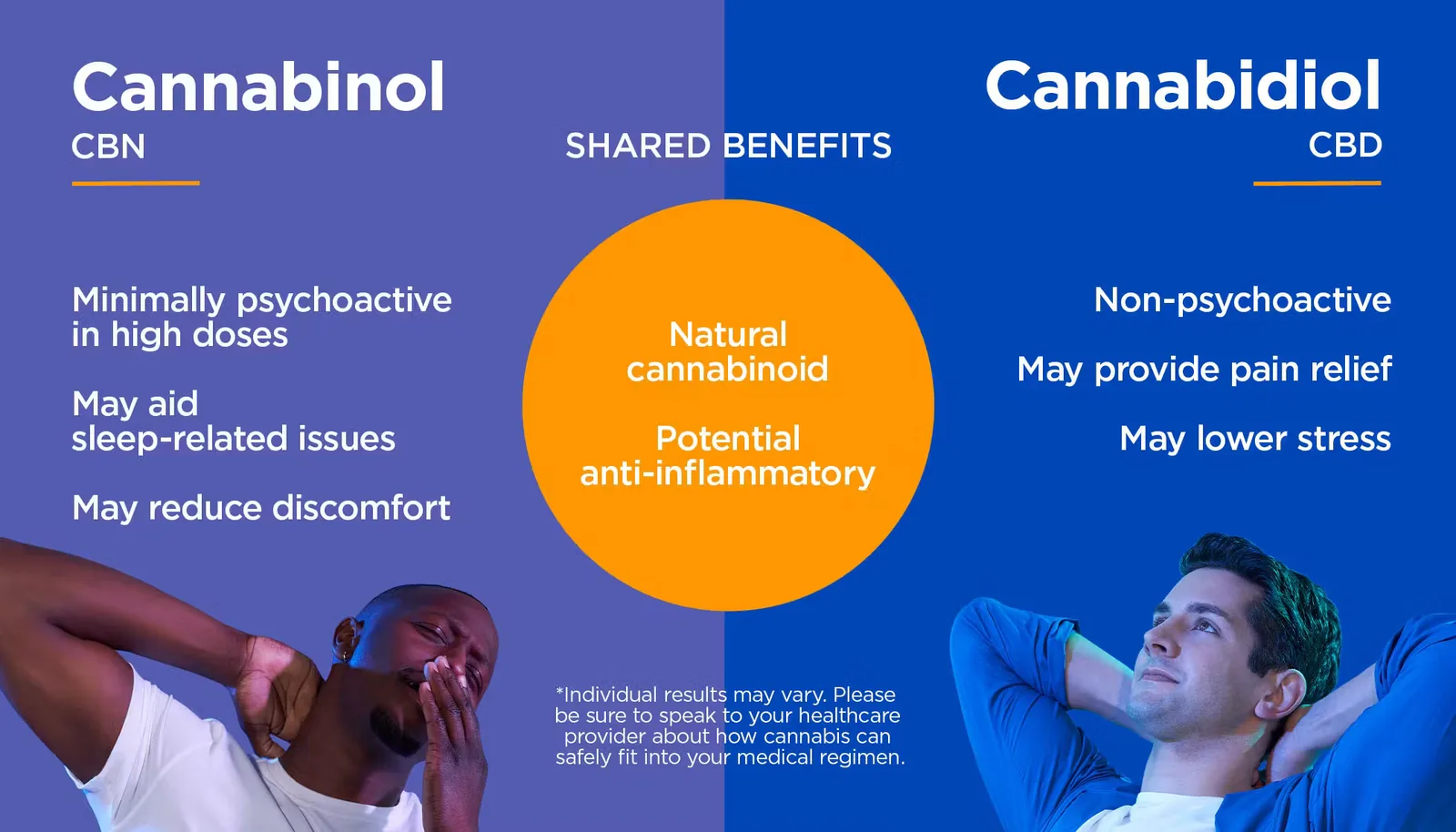
A lot of CBD confusion starts before the bottle is even in your hand. People hear hemp and assume it means marijuana, hear full-spectrum and assume it means getting high, or treat every hemp claim on a product page as if it carries the same weight.
The better approach is to slow the myths down one by one. Once you understand what hemp actually is, what trace THC does and does not mean, and why growing and testing practices matter, product labels stop feeling like guesswork.
Top 10 CBD Myths
With the growing interest ofCBDas a potential health aid there's also been a lot of misconceptions.
- Channel: Dr. Barry Morrison
SECTION 01 Start by separating hemp from marijuana before you compare any product
The most common myth is also the one that causes the most buying hesitation: the idea that hemp and marijuana are basically the same thing. They share a botanical family, but that does not make them interchangeable in a shopper's real decision.
For CBD buyers, the useful distinction is practical. Hemp products are built around a very different cannabinoid profile and a much lower legal THC threshold than products sold for intoxication. If you skip that distinction, every other label decision gets harder than it needs to be.
- Treat shared plant ancestry as background, not as proof that the products do the same job.
- Read the cannabinoid profile and THC disclosure before relying on broad cannabis language.
- Use the legal hemp threshold as a clue, then confirm it on the COA.
SECTION 02 Do not confuse full-spectrum with getting high automatically
Another myth shows up whenever buyers see the words full-spectrum. That label can include trace THC, but a trace amount is not the same thing as a guaranteed intoxicating experience. The real question is how much THC is in the formula, how often the product is used, and whether the buyer has reasons to be extra cautious about testing or sensitivity.
This is why product type matters. A shopper comparing full-spectrum, broad-spectrum, and isolate options should think about tradeoffs instead of myths. One format may fit a cautious first-time routine better than another, even when the front-label promises sound similar.
- Read the exact THC line instead of reacting to the term full-spectrum alone.
- Use lower-risk formats when sensitivity, drug testing, or legal caution matters most.
- Judge the formula by the details on the label and COA, not by social-media shorthand.
SECTION 03 Hemp products are not only for one type of routine
Some buyers assume hemp products all belong to one narrow promise, usually stress or sleep. In reality, the category is broader than that, which is why labels, serving directions, and product formats vary so much from one item to the next.
The practical lesson is to match the product to the routine instead of forcing every hemp item into the same expectation. A gummy built for evening support should not be judged exactly like a daytime capsule or a topical meant for local use.
- Let the intended routine guide the comparison, not one catch-all expectation.
- Separate daytime, bedtime, and topical use cases when you read product pages.
- Be skeptical of labels that promise everything at once without clear positioning.
SECTION 04 Clean sourcing matters because hemp can reflect its growing environment
A useful reminder here is that hemp can absorb what is around it in the soil. For a buyer, that turns sourcing and testing from a nice bonus into a real quality filter.
does not mean every product is unsafe. It means the cleanest buying habit is to look for brands that show current third-party testing, clear batch information, and enough transparency to support the claims on the label. If the farming and lab story stay vague, the myth-busting conversation is not finished.
- Give more weight to current COAs and batch transparency than to soft brand storytelling.
- Treat soil, farming, and extraction quality as part of the product decision.
- If the proof is hard to find, keep shopping.