CBN gets talked about most often in sleep products, which can make it sound like a simple upgrade from CBD. In practice, the better way to read a CBN product is to separate the cannabinoid itself from the rest of the formula, the THC exposure, and the actual bedtime routine it is meant to support.
matters because CBN and CBD are not interchangeable. They may appear in the same gummy or tincture, but they play different roles in product design, and the smartest buying decision usually comes from checking the serving details, extract type, and current lab report before the marketing language wins.
What is CBN? The Ultimate Guide to Cannabinol
1:15 How Does CBN Work? 1:49 Early CBN Research & Misconceptions 2:25CBN Vs.CBD: What Should You Choose?
- Channel: Neurogan
SECTION 01 Start with what CBN is and why shoppers usually see it in sleep products
CBN, short for cannabinol, is a minor cannabinoid. Buyers usually meet it in formulas aimed at nighttime use, especially gummies or tinctures that are trying to support a calmer wind-down routine.
sleep angle is why CBN gets compared with CBD so often. The comparison is useful, but only if you remember that a product experience depends on the full formula, the serving size, and whether the product also includes THC or other cannabinoids.
- Treat CBN as one part of the formula, not the whole product story.
- Notice whether the product is built for bedtime rather than general daytime use.
- Check whether the formula includes CBD, THC, or botanicals that change the overall feel.

SECTION 02 Understand how CBN differs from CBD before you compare products
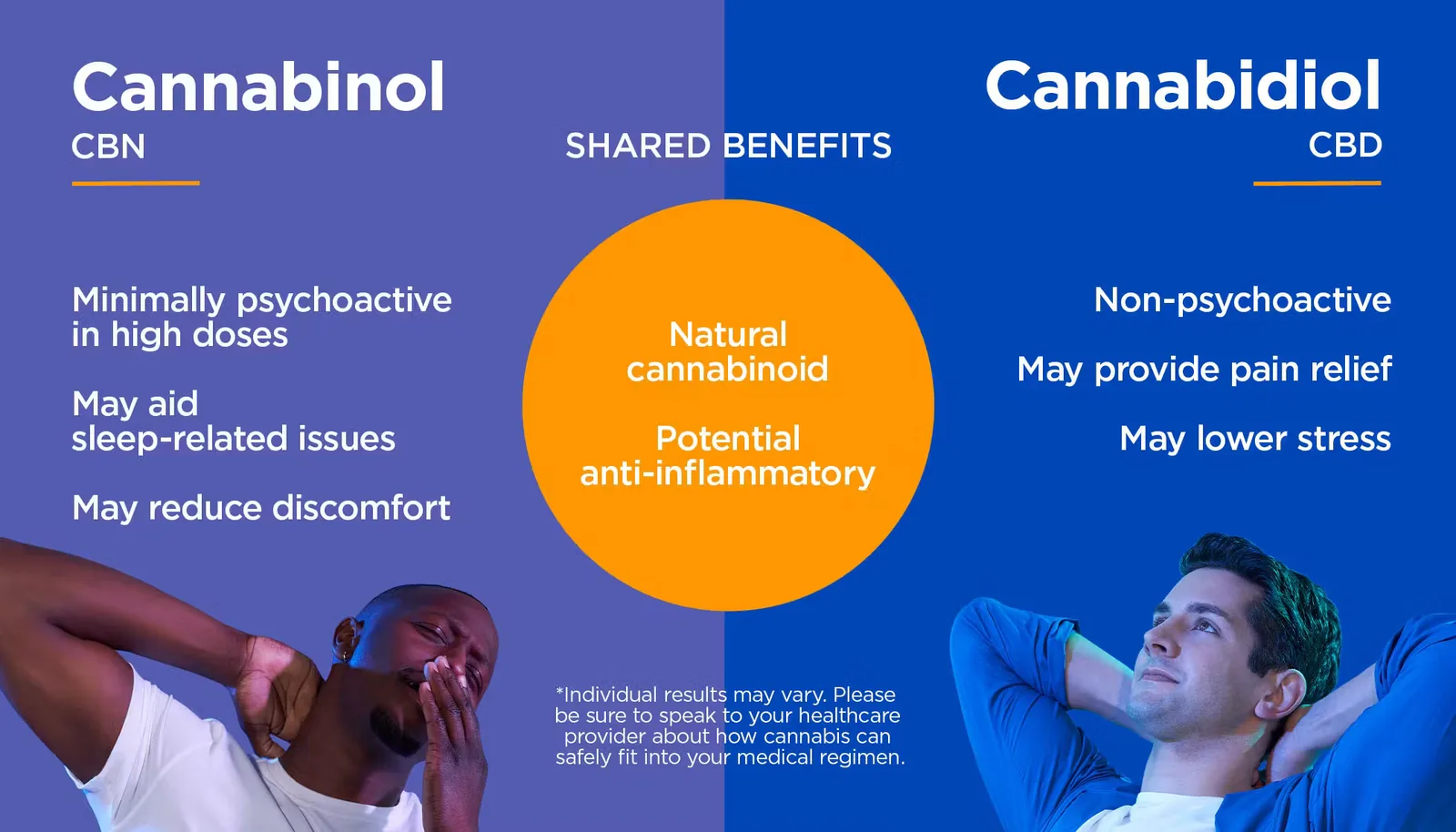
CBD is usually sold as the broader all-day option. CBN is more often used in narrower sleep-oriented positioning. That does not automatically make one better than the other. It means the product should be judged by the routine it is meant to support.
A shopper comparing CBN with CBD should ask a practical question first: am I trying to build a daytime routine, a general evening wind-down habit, or a more specific bedtime formula? The answer changes which product details matter most.
- Use CBD comparisons to define the routine, not to chase a winner on hype alone.
- Keep daytime and bedtime goals separate when you read labels.
- Do not assume a sleep formula is automatically stronger just because it adds CBN.

SECTION 03 Check THC, serving strength, and the COA before you buy
Many CBN products are sold for nighttime use, and some formulas include THC alongside CBN. That can matter a lot more than shoppers expect. A product may fit one reader well and feel like too much for another, especially if the serving size is aggressive or the THC portion creates testing, travel, or next-morning concerns.
This is where the boring checks do the real work. Confirm the per-serving cannabinoids, open the current COA, and see whether the label explains the formula clearly enough to repeat the same routine without guesswork.
- Check the exact CBN amount per serving before you compare products by name alone.
- Look for THC disclosures instead of assuming a sleep product is automatically low risk.
- Use the COA to confirm cannabinoid content and third-party testing status.
SECTION 04 Choose the product by bedtime fit, not by trend language
A useful CBN product should fit the way you actually get ready for bed. Some people want a simple gummy with a fixed serving. Others care more about flexible dosing or about avoiding extra cannabinoids that complicate the result.
If the product does not match your comfort level, timing, or need for label clarity, the cannabinoid discussion stops being helpful. Routine fit is what keeps a sleep formula realistic instead of turning it into an expensive experiment.
- Pick the format that is easiest for you to repeat consistently at night.
- Avoid formulas whose serving strength is hard to dial back.
- Treat trend-driven sleep claims as secondary to routine fit and label transparency.