Healthy-aging marketing can make almost any wellness product sound like part of a longer-life plan. The useful question for a CBD buyer is narrower: what job is this product actually meant to do inside a routine that already depends on sleep, movement, recovery, and stress management?
shift matters because broad healthspan language is not the same thing as a clear product claim. Before you add CBD to a routine, it helps to separate the overall wellness goal from the specific support you are trying to evaluate, such as winding down, staying consistent with recovery habits, or managing everyday stress.
DR. FRANKLIN: Put THIS in Your Water & Wrinkles Start Disappearing After 80!
What if one simple ingredientaddedto your daily water could help your skin look healthier, brighter, and younger — even after 80 ...
- Channel: Elevate Health Co.
SECTION 01 Separate the big wellness goal from the actual product job
Healthspan and longevity language often describes a whole lifestyle picture: cardiovascular fitness, metabolic health, stress regulation, recovery, and day-to-day resilience. A CBD product, by contrast, should be judged by a much smaller job inside that picture.
If the product page never gets more specific than broad healthy-aging language, slow down. A useful product decision needs a clearer purpose such as evening wind-down support, recovery support, or help keeping a stress routine consistent.
- Ask what the product is supposed to help with in practical daily use.
- Treat broad longevity language as context, not proof of a product-level outcome.
- Prefer pages that explain the routine fit more clearly than the aspiration.

SECTION 02 Check whether the routine fit is really sleep, stress, or recovery
Many healthy-aging discussions eventually come back to the same basics: sleep quality, movement, recovery, and nervous system regulation. That is where a CBD buyer can ask a more realistic question about fit.
A product may belong in a routine because it helps with evening consistency or post-workout recovery habits, not because it directly carries a healthy-aging promise by itself. That difference keeps expectations grounded.
- Match the product to one routine lane instead of every wellness goal at once.
- Be skeptical when one formula is presented as a catch-all for aging, focus, recovery, and stress simultaneously.
- Choose the format that actually fits the timing of the routine you want to repeat.
SECTION 03 Use the boring checks before you trust the inspiring language
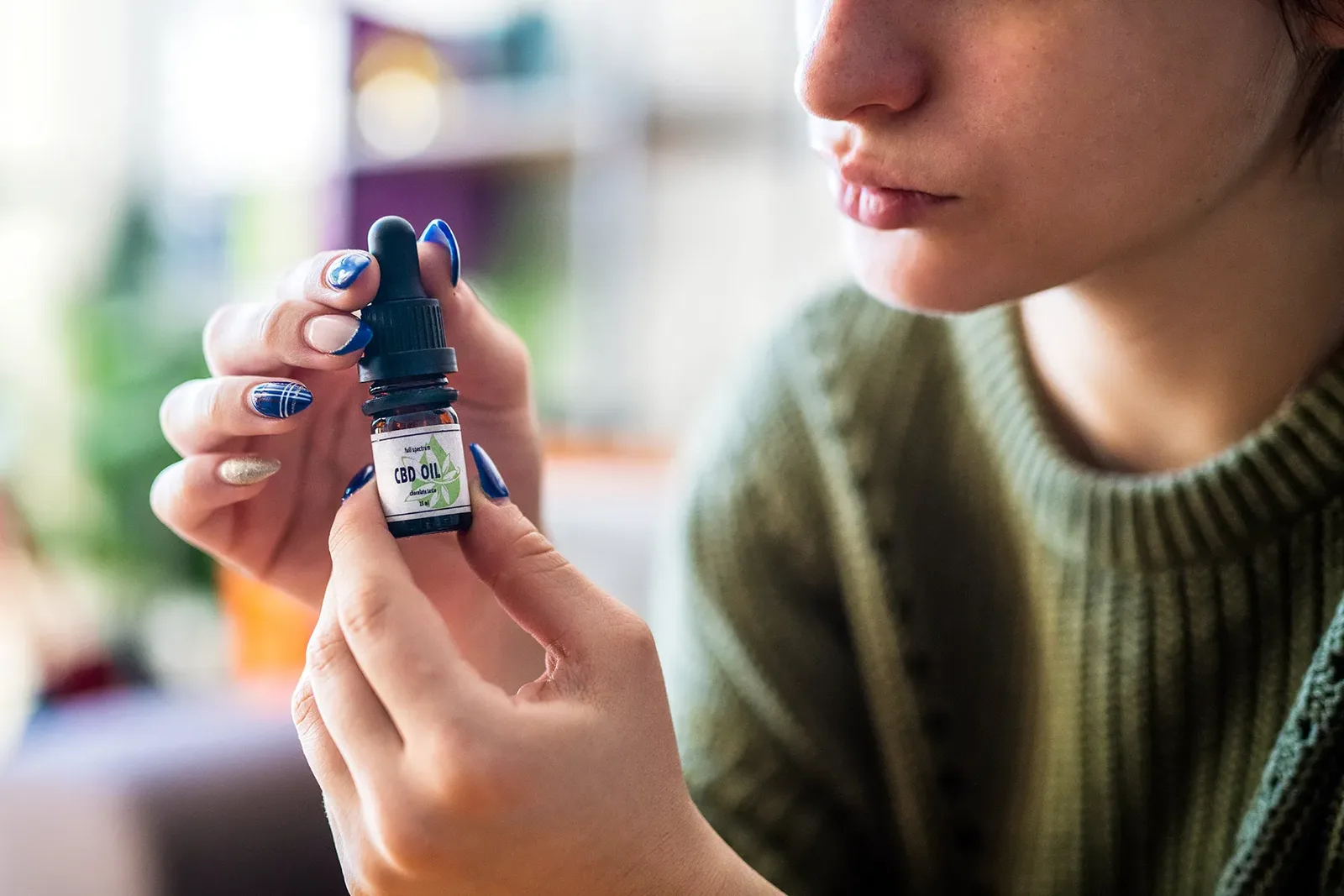
The most important buyer checks are still the least glamorous ones: extract type, THC exposure, third-party lab work, ingredient clarity, and serving-size realism. Those basics tell you more about trustworthiness than a page full of longevity language.
is especially important when the healthy-aging conversation is emotionally appealing. Strong branding can make a routine feel advanced even when the product details are thin.
- Check the COA before you get carried away by the wellness framing.
- Confirm whether the product is full-spectrum, broad-spectrum, or isolate and why that matters for your situation.
- Look for serving sizes and ingredient choices that fit repeatable daily use.
SECTION 04 Build the routine around habits first, then decide whether CBD earns a place
A good healthy-aging routine is still built on habits that no supplement or cannabinoid can replace: sleep schedule, movement, recovery, food choices, and stress regulation. That is the frame a buyer should bring into any CBD decision.
Once that frame is in place, the product question becomes simpler. Does this CBD option support a repeatable habit you already value, or is it being asked to carry the whole routine by itself?
- Start with the habit you are trying to support, not the product you hope will fix everything.
- Keep the product only if it helps the routine stay realistic and repeatable.
- Drop claims that sound bigger than the actual role the product can play.