CBG usually enters the conversation after someone already understands basic CBD labels and starts seeing another cannabinoid on product pages. That can make it feel like a mysterious upgrade, but the better first step is simpler: understand what CBG is, how it is usually positioned, and what kind of comparison actually helps you shop smarter.
For most buyers, the useful comparison is not CBG versus CBD as if one must replace the other. It is what role each cannabinoid plays in the formula, whether the product is built for daytime use, focus, calm, or general wellness, and whether the label is backed by clean lab evidence.

CBD vs CBG: Comparative Insights into Cannabinoid Diversity
In this informative video, we delve into the fascinating world of cannabinoids as we explore the topic of "CBDvsCBG: ...
- Channel: Naturecan Official
SECTION 01 What CBG is in plain language
CBG, or cannabigerol, is one of the cannabinoids found in cannabis and hemp plants. Most shoppers meet it as a smaller-volume ingredient than CBD, which is why it tends to feel less familiar when it first appears on a label.
unfamiliarity can lead buyers to overreact in two directions. Some assume CBG must be automatically better because it is newer to them, while others ignore it completely because CBD already feels easier to understand. Neither habit helps much at checkout.
- Think of CBG as another cannabinoid category to compare, not as a magic label.
- It usually appears in more specialized formulas than basic CBD.
- Its smaller presence on shelves is one reason buyers need a clearer comparison before spending more.
SECTION 02 How CBG differs from CBD when you are reading labels
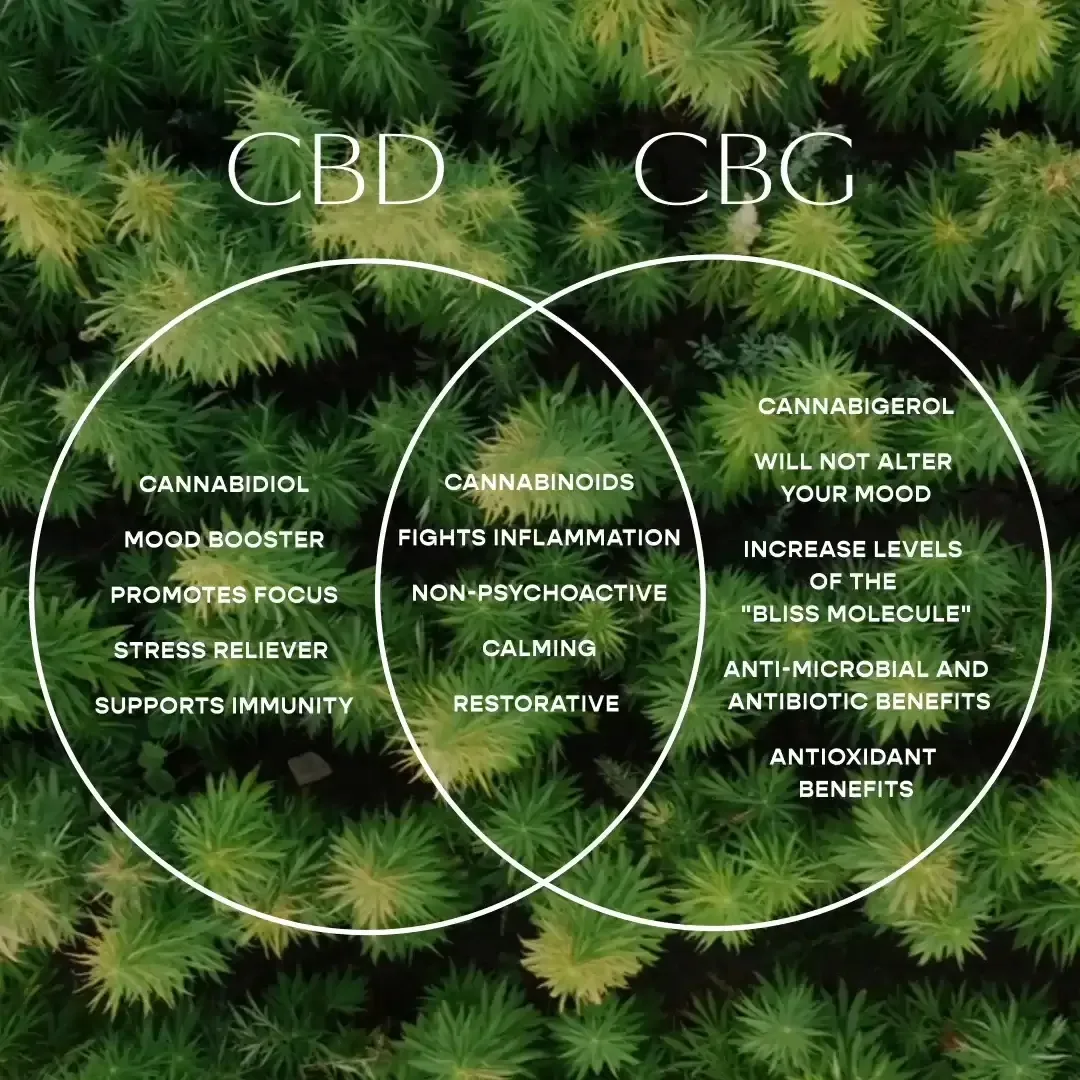
CBD is still the baseline most buyers understand first. CBG usually shows up when a brand wants to position a formula more specifically, often around daytime use, focus, or a distinct blend profile. That does not prove the product will work better for you, but it does change how you should read the label.
Instead of stopping at the front-of-package claim, compare the cannabinoid amounts, serving size, extract type, and whether the formula includes other supporting cannabinoids or terpenes. The difference that matters most is often in the whole formula, not just in the one extra acronym.
- Use CBD as the easier comparison baseline.
- Read the full cannabinoid panel instead of focusing only on the CBG badge.
- Check whether the formula goal fits daytime clarity, general wellness, or another specific routine.
SECTION 03 When a buyer might choose CBG, CBD, or a blend
Plain CBD still makes sense when you want the simplest starting point, widest product selection, and the easiest comparison across brands. A CBG product may make more sense when you have a reason to try a more specialized formula and you are comfortable paying closer attention to potency and lab details.
Blends can be useful when the product is transparent about what each cannabinoid contributes and the serving sizes are easy to understand. If the formula hides behind vague marketing and skimpy lab support, the added CBG does not make it a better buy.
- Choose plain CBD for the simplest first comparison.
- Consider CBG when you want a more specialized formula and are willing to inspect the details.
- Treat blends as worthwhile only when the label and lab data are clear enough to justify them.
SECTION 04 What to check before you buy a CBG product
Because CBG products can cost more or appear in niche formulas, quality screening matters even more. Check for a current COA, confirm the cannabinoid amounts match the label, and look at whether the product is full-spectrum, broad-spectrum, or isolate-based before assuming two items with CBG are really comparable.
It is also worth starting with a modest amount and watching how the product fits your routine. A better cannabinoid decision usually comes from careful comparison and low-risk trial, not from jumping straight into the strongest or most heavily marketed option.
- Ask for a current third-party COA before buying.
- Compare serving size and cannabinoid amounts, not just the headline ingredient.
- Start low and adjust only after you know how the formula fits your routine.