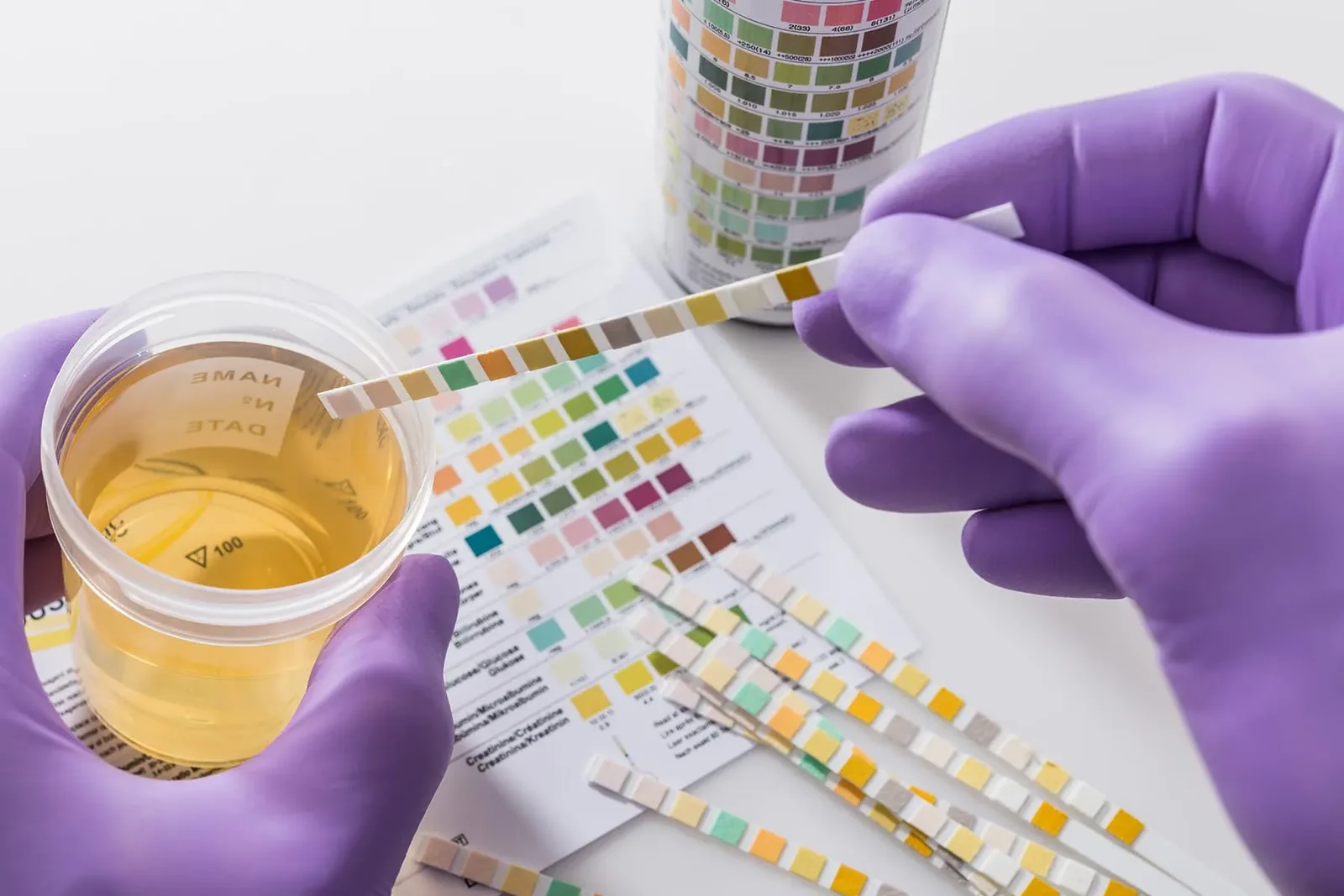
Most people ask whether CBD shows up on a drug test as if the answer should be a simple yes or no. The more useful answer is that most standard screens are looking for THC metabolites, not CBD itself, but that still does not make hemp products risk-free when your job, license, or legal situation depends on a clean result.
What matters is the combination of product type, how often you use it, how accurate the label really is, and what kind of testing program you are dealing with. That is why the safer question is not just whether a bottle says CBD. It is how much THC may still be riding along, how your body handles repeated use, and whether the product has a current lab report to back up the label.
Does CBD Show Up on a Drug Test?
Cannabis health coach Dr. Abe explains whetherCBDmakes youfailadrug testand shares tips to help you buy the right type of ...
- Channel: CBD Oracle
SECTION 01 Drug tests usually target THC, but hemp products are not the same as zero-THC products
The first point to keep straight is that most workplace and routine screening programs are not trying to find CBD in your system. They are usually looking for THC metabolites. That is why a clean answer depends less on the word CBD on the label and more on whether the product contains any THC at all, even in small amounts.
Hemp products can stay within legal limits and still contain trace THC. Full-spectrum formulas are the clearest example because they keep more of the plant profile intact. When testing matters, that small legal amount can still matter more than the marketing headline on the front of the package.
is also why two people can both say they are taking CBD and still be dealing with very different testing risk. One may be using a full-spectrum oil every night, while another may be using a lower-risk isolate product only occasionally.
- Do not assume hemp means THC-free.
- Treat full-spectrum formulas as the highest-risk category for drug testing.
- Read past the front label and confirm the extract type before using the product.
SECTION 02 Product type changes the odds, but lower risk is not the same as no risk
If you have to think about testing, product type is the first practical filter. Full-spectrum products usually sit at the riskiest end because they are more likely to include measurable trace THC. Broad-spectrum and THC-free products are often chosen to reduce that exposure, while isolate products usually push the risk lower still.
Even so, lower risk does not mean guaranteed protection. Labels are not always perfectly accurate, and very small amounts of THC can matter more when a person uses a product daily for weeks or months. That is one reason buyers get into trouble when they treat broad-spectrum or isolate as a blanket guarantee instead of a risk-reduction step.
A second detail many buyers miss is that specialty cannabinoids can change the picture too. CBN products in particular deserve extra caution when a testing program relies on fast screening methods, because the first pass is not always as specific as people assume.
- Move away from full-spectrum products first if testing risk is a serious concern.
- Treat broad-spectrum, THC-free, and isolate options as lower-risk choices rather than guaranteed safe choices.
- Be more careful with CBN sleep products when the testing program uses initial screen-and-confirm workflows.
SECTION 03 Frequency, body chemistry, and label accuracy all change the real-world outcome
Two people can use the same category of product and still end up with different results. The amount used, how often it is used, body fat, metabolism, and the length of time the routine has been going all affect how much THC exposure may build up over time.
This is one reason repeat users should think differently from occasional users. A trace amount that looks tiny on paper may not matter much in a one-off situation, but a nightly routine can turn that same trace exposure into a bigger testing issue over time.
Product quality matters just as much. If a product label is loose, outdated, or not backed by a batch-specific COA, you are making the decision with half the information missing. When testing risk is involved, that is not a small detail. It is the difference between informed caution and blind trust.
- Higher dose and more frequent use generally raise the testing risk.
- Long-term routines deserve more caution than occasional use.
- Only trust products with current third-party COAs that match the exact batch or lot information.
SECTION 04 What to do before you use CBD when a drug test matters
Start by deciding how strict your situation is. If the consequences of a positive test would be serious, the most conservative option is to avoid hemp products entirely until that testing window has passed. If you still plan to use one, choose the lowest-risk format you can find and verify the lab paperwork before the first dose, not after a problem appears.
It also helps to ask what kind of test is actually being used. Urine, oral fluid, and other methods do not always behave the same way, and some topical products can matter more for oral fluid testing than buyers expect. That does not mean every topical will trigger a problem, but it does mean the product format should be matched to the testing context instead of treated as harmless by default.
The practical goal is simple: reduce avoidable risk before the product becomes part of your routine. That means cleaner product selection, better paperwork, and fewer assumptions.
- Avoid full-spectrum products when the testing stakes are high.
- Ask for the current COA and confirm the THC line before first use.
- Find out whether the program uses urine, oral fluid, or another test type before you assume the risk works the same way for every product.